

Ribbiting News
A selection of news, reports, tools, and events reflecting our global climate journey.

February 2026
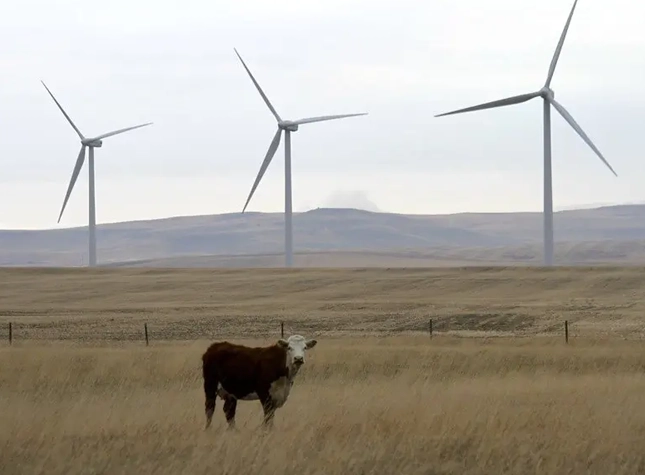
Solar, Wind Emerge as Canada’s Cheapest New Power as Prices Fall by Half
Plunging price trends make new wind and solar projects more affordable, and they can also be brought online faster than fossil fuel and nuclear power plants, Pickup and Noel add. “Getting more affordable electricity generation onto the grid— fast—underpins the competitiveness of the economy.” Continue reading…

How EV chargers are turning carbon credits into cash for Canadian drivers
Carbon credits are generally associated with big business trying to offset their greenhouse gas emissions. A growing number of EV charger companies in Canada, however, are rewarding homeowners and small businesses with government-paid carbon credits just for plugging in their electric vehicles. Continue reading…
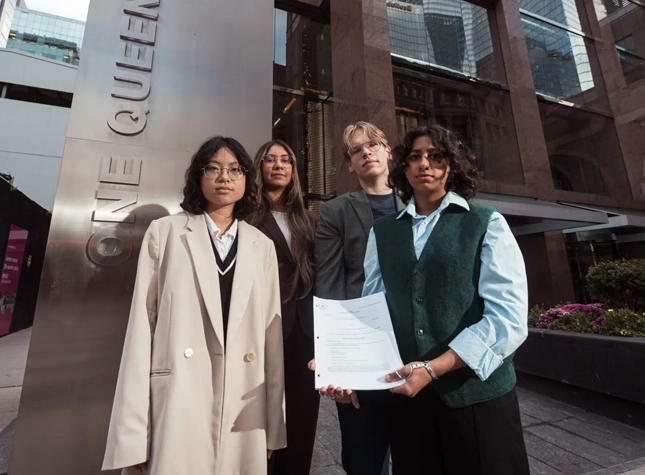
Young Canadians are suing Canada’s largest pension manager over climate risk — here’s why you should be paying attention
In a groundbreaking case, four young Canadians are taking one of the world’s largest financial institutions, the Canada Pension Plan Investment Board (or CPP Investments) to court, arguing that it isn’t doing enough to protect their retirement savings from climate-related financial risk. Continue reading…
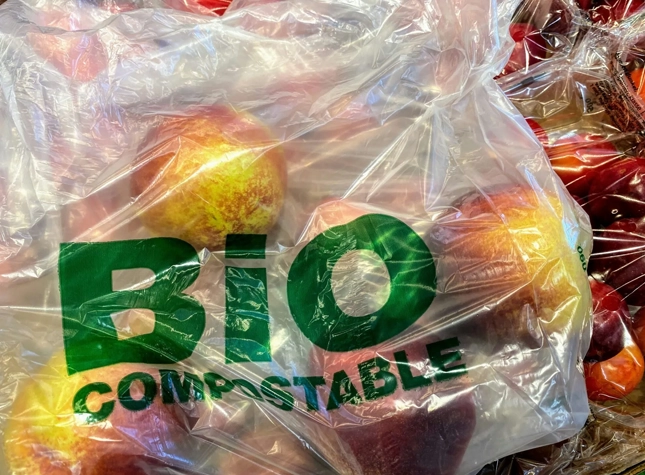
Scientists Create Biodegradable Packaging Film That Matches Plastic Performance
Biodegradable packaging film represents a breakthrough in sustainable materials. Researchers at Georgia Institute of Technology developed a thin film using cellulose, chitosan, and citric acid. These natural ingredients come from plants, mushrooms, and food waste. The new material blocks moisture and oxygen as effectively as traditional plastic. Continue reading…

Most EV batteries outlast their cars, real-world data shows
London‑based EV battery diagnostics company Generational analyzed more than 8,000 battery tests across 36 automakers and found the average EV battery State of Health (SoH) is 95.15% of original capacity. The results cover passenger cars and light commercial vehicles ranging from brand‑new to 12 years old and with anywhere from zero to more than 160,000 miles on the odometer. Continue reading…
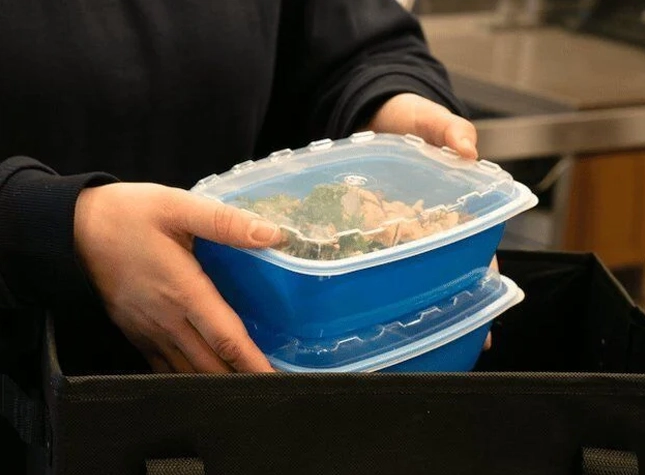
Guelph startup expands to nearly every Farm Boy in Ontario
In 2024, Friendlier started a pilot project across six Farm Boy locations in Guelph and Waterloo Region, to test out the viability and effectiveness of its product in a retail space. Less than two years later, Friendlier containers can be found in nearly every Farm Boy location across Ontario. Continue reading…
January 2026
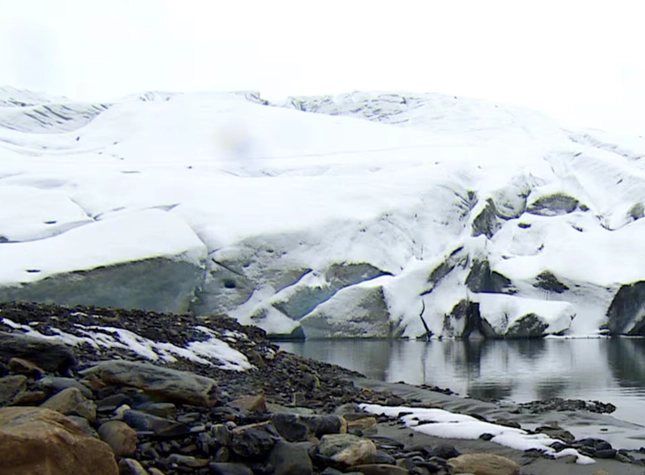
Western Canada glaciers suffered 2nd-greatest ice loss on record in 2025
The United Nations designated 2025 as “The International Year of Glaciers’ Preservation,” but a northern B.C. climate researcher now says last year turned out to be the second worst year on record for glacier loss in western Canada. Continue reading…
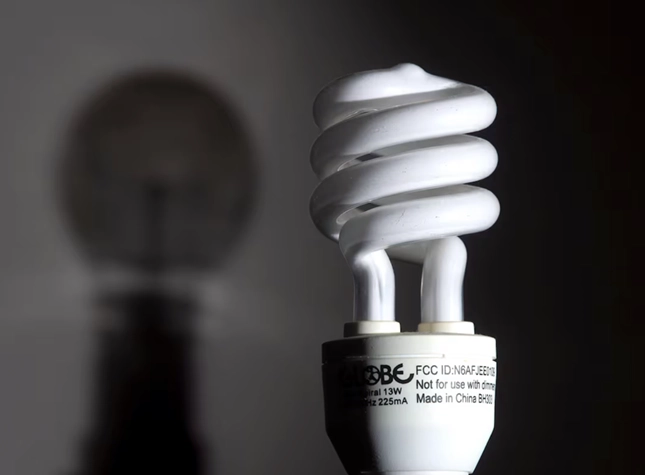
For 2026, LEDs are in. Fluorescent bulbs are really out
Jan. 1 marked the start of a Canada-wide ban on the import and manufacture of compact fluorescent light bulbs containing mercury. This includes the spiral fluorescent bulbs often found in household lamps, not the long fluorescent tubes often found in industrial or commercial settings. Continue reading…

Deal allowing a quota of Chinese EVs a breakthrough for consumers with potential for investment in a modern auto sector
Over the past year, Clean Energy Canada has been clear that Canada inadvertently ‘broke’ its EV market with a combination of policy changes under the past two governments: ending the EV incentive, pausing the EV Availability Standard, and imposing a 100% tariff on Chinese EVs in late 2024.
The end result has been fewer affordable options for consumers and lower EV adoption rates impacting our climate goals—leaving Canada in the embarrassing position of being potentially the only country in the world last year with declining EV sales. This morning, Canada appears to have found a solution that works for both it and China, allowing the sale of a limited number of Chinese EVs into Canada at a lower tariff rate—and in one fell swoop, creating the affordable EV segment Canada has so desperately needed. Continue reading…
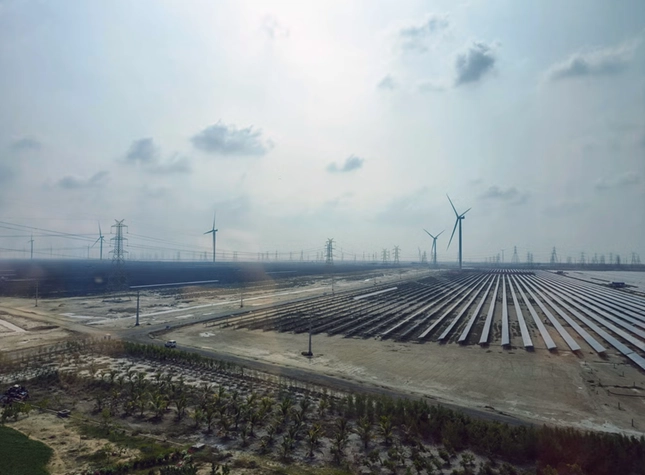
Inside the world’s largest renewable energy park – proof the green transition isn’t dead
This is Khavda, where India is building the world’s largest renewable energy project. Spanning 726 sq km – about seven times larger than the city of Paris – the Khavda Renewable Energy Park is expected to generate 30 gigawatts of power by combining solar and wind on the same site in western India. Continue reading…
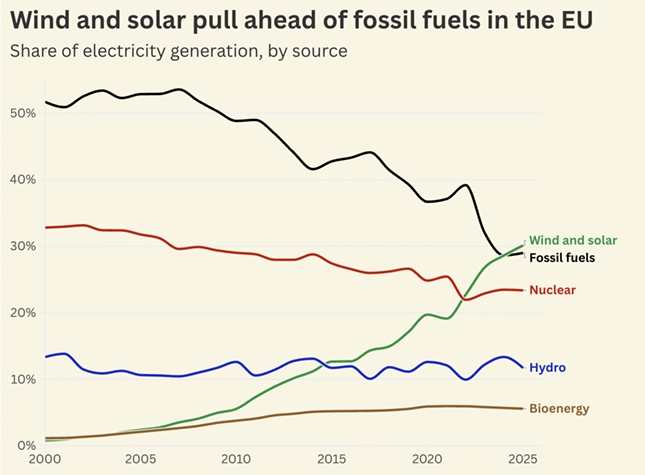
In the EU, wind and solar surpass fossil fuels for first time
Two decades ago, the European Union got basically none of its power from wind and solar. Now, those are the leading sources of electricity in the bloc. Continue reading…

Federal Court of Appeal rules in favour of Ottawa keeping ban on single-use plastics
The federal government scored a win at the Federal Court of Appeal on Friday, which upheld Ottawa’s 2021 decision to list “plastic manufactured items” as toxic, allowing it to continue with its ban on several types of single-use items, including straws and grocery bags. Continue reading…
December 2025

Ottawa-Montreal chosen as 1st segment of promised high-speed rail line
Transport Minister Steven MacKinnon billed the announcement as a “historic day” for Canada. In all, the planned corridor — stretching from Toronto to Quebec City — would span some 1,000 kilometres, with trains travelling up to 300 km/h. Continue reading…
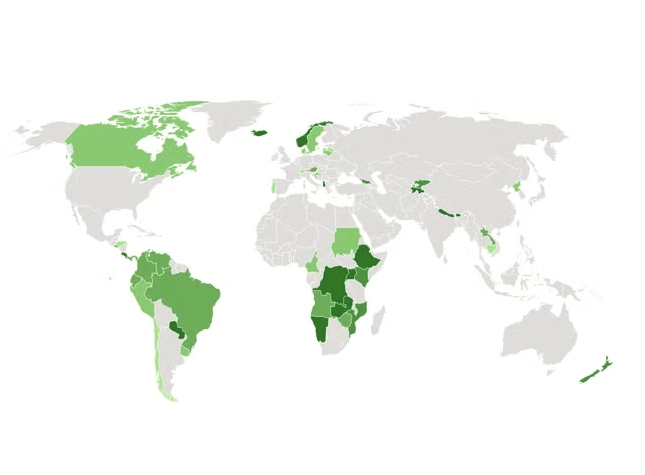
Seven countries now generate 100% of their electricity from renewable energy
Albania, Bhutan, Nepal, Paraguay, Iceland, Ethiopia and the Democratic Republic of Congo produced more than 99.7 per cent of the electricity they consumed using geothermal, hydro, solar or wind power. Continue reading…

Oxford United to Build UK’s First All-Electric Football Stadium
Oxford United has won approval to build the UK’s first all-electric football stadium, a £150 million project that could change the way sport approaches climate change. What makes the design groundbreaking is its all-electric operation. Continue reading…

EU Reaches Agreement to Cut GHG Emissions 90% by 2040
Lawmakers in the European Parliament and Council announced that they have reached a provisional agreement to introduce a new binding target in the European Climate Law to reduce greenhouse gas emissions by 90% by 2040, on a 1990 basis. Continue reading…
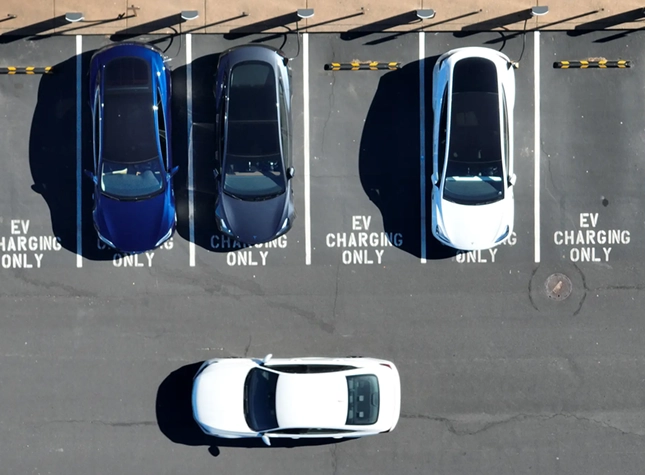
EV sales are up everywhere in the world — except North America
EV sales in North America fell 1% this year compared to 2024, according to data from supply chain data firm Benchmark Mineral Intelligence. The dip comes as the US has faced a combination of policy changes, tariffs, and supply chain upheavals this year. Continue reading…

First climate migrants arrive in Australia from sinking Tuvalu in South Pacific
The first climate migrants to leave the remote Pacific island nation of Tuvalu have arrived in Australia, hoping to preserve links to their sinking island home, foreign affairs officials said on Thursday. Continue reading…
November 2025

How climate change is threatening the future of winter sport
For more than two decades, young skiers and snowboarders have spent summers on Whistler Blackcomb’s Horstman Glacier, training with some of Canada’s top athletes on snow. Momentum Camps have been where Olympic dreams were born and lifelong love for sport bloomed. A young moguls skier could learn the ropes from Mikaël Kingsbury, the man they call the King of Moguls. Continue reading…

Analysis: China’s CO2 emissions have now been flat or falling for 18 months
The rapid adoption of electric vehicles (EVs) saw CO2 emissions from transport fuel drop by 5 per cent year-on-year, while there were also declines from cement and steel production. The new analysis for Carbon Brief shows that while emissions from the power sector were flat year-on-year, a big rise in the chemical industry’s CO2 output offset reductions elsewhere. Continue reading…

Toronto slashes single-use waste by third, plans to expand bylaw
Toronto says a city bylaw introduced last year is already making a dramatic difference, cutting disposable items such as cups, bags and utensils, by 32 per cent. Now, the city wants to go further by expanding its Single-Use and Takeaway Items Reduction Strategy and Bylaw to large events, sports venues and restaurants that still rely on throwaway containers for dine-in service. Under the next phase, these businesses could be required to use reusable dishware. Continue reading…
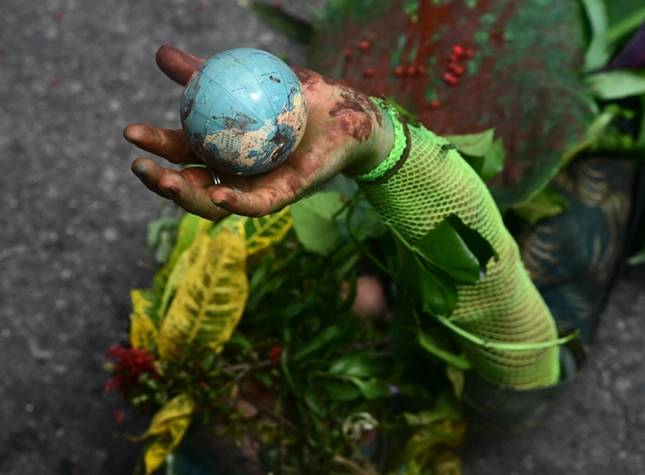
Double down on push to abandon fossil fuels, 82 countries urge at climate summit
Dozens of governments on Tuesday urged countries to agree on a “roadmap” for phasing out coal, oil and natural gas, ratcheting up the stakes for United Nations climate change negotiations that end this week. The call from 82 countries spanning Europe, the Pacific islands, Latin America and Africa immediately elevated the topic to the top of the COP30 agenda, making it one of the most substantial and likely divisive topics of the two-week negotiations. Continue reading…
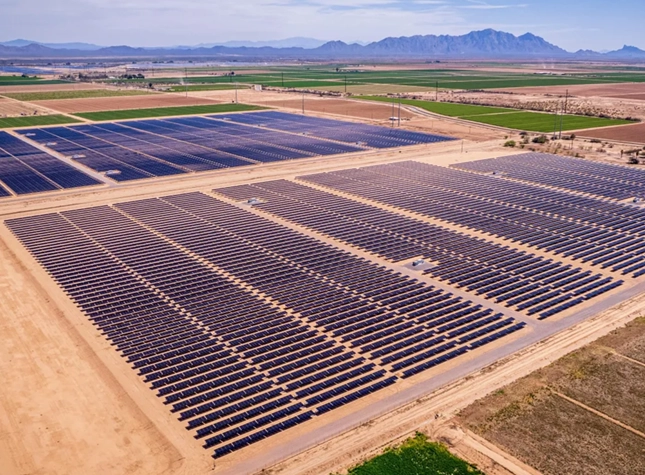
Australia has so much solar that it’s offering everyone free electricity
The Australian government is floating a scheme that would share the benefits of solar power with everyone on the grid, offering totally free electricity to ratepayers in the middle of the day, when the sun is shining the strongest. Continue reading…

Bhutan PM on leading the first carbon-negative nation: ‘The wellbeing of our people is at the centre of our agenda’
The wealthy western countries most responsible for the climate crisis would improve the health and happiness of their citizens by prioritizing environmental conservation and sustainable economic growth, according to the prime minister of Bhutan, the world’s first carbon-negative nation. Continue reading…
October 2025
4.6 Billion Years On, the Sun Is Having a Moment
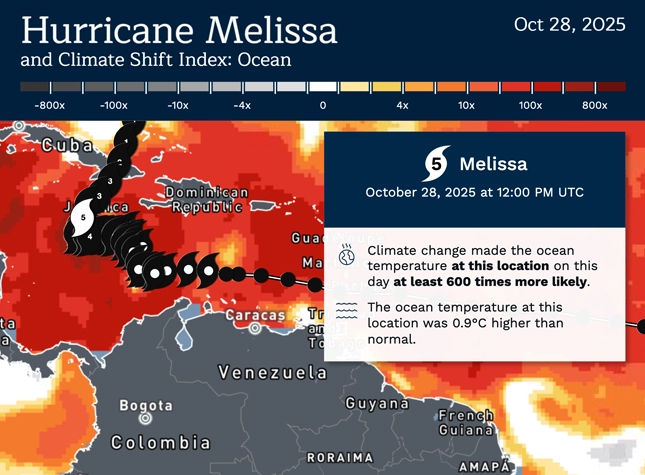
Hurricane Melissa reached Category 4 strength with peak winds of 140 mph between October 25 and 26 after undergoing extreme rapid intensification — an increase of about 70 mph in just 24 hours. The storm underwent rapid strengthening as it sluggishly crawled over exceptionally warm ocean waters 2.5°F (1.4°C) warmer than average and up to 700 times more likely due to human-caused climate change.
The 2025 Stocktake report from the Net Zero Tracker assesses target-setting across the-economy, examining whether national, subnational and corporate strategies include credible components such as interim goals and robust plans. This year’s edition also explores how net-zero targets relate to the climate–nature nexus.
Continue reading here…
Canada heat waves in 2025 tied to human-driven climate change
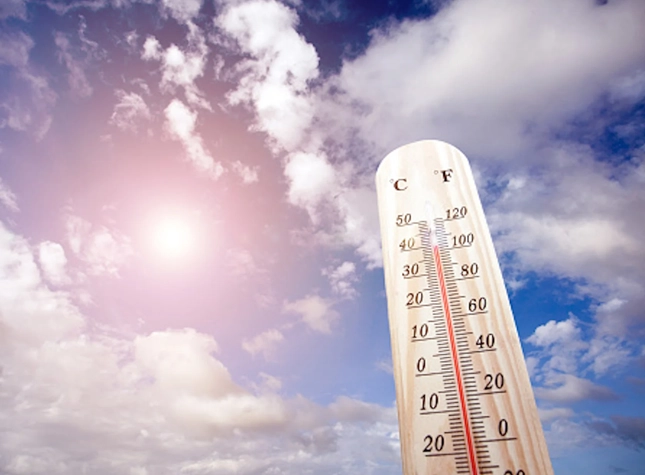
With a long list of heat waves in Canada in 2025, it should come as no surprise that some of events this year have been linked to human-caused climate change–similar to affairs that occurred in 2024.
That’s according to Environment and Climate Change Canada (ECCC), reviewed the extreme heat waves that affected millions of Canadians this year. As they did last year, scientists reviewed data from a number of events and came to a conclusion using its newly developed attribution system.
Continue reading here…
Officials unveil gargantuan energy plant the size of 243 football fields: ‘A landmark achievement’
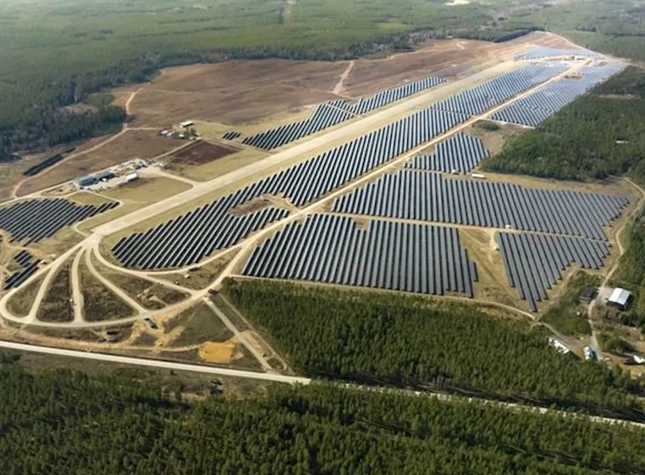
A new solar farm in Sweden is proof that when it comes to renewable energy, thinking big pays off. With the launch of the Hultsfred Solar Farm, Sweden has taken a bold step toward a cleaner, more independent energy future, Interesting Engineering reported.
This energy plant, which is the size of about 243 American football fields, is now the country’s largest utility-scale solar power installation. The farm has begun operations at Hultsfred Airport in the Småland region.
Continue reading here…
New national law will turn large parking lots into solar power farms
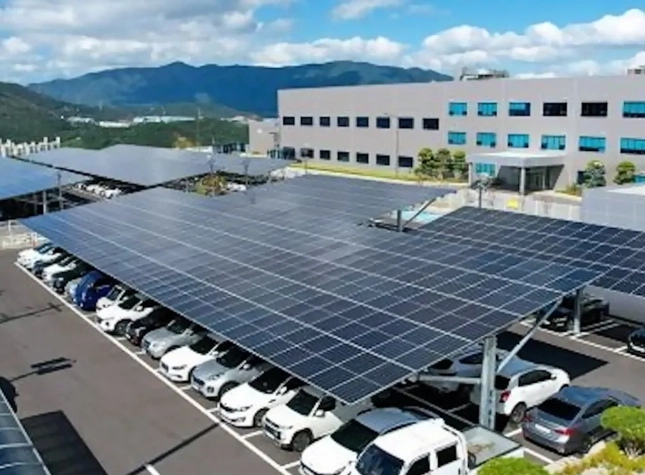
Starting this month, parking lots in South Korea with more than 80 spaces will be required to install solar canopies and carports. But, unlike similar laws that have been proposed in the US, this new law doesn’t just apply to new construction – existing lots will have to comply as well!
In addition to creating jobs and working to stabilize the local grid with more renewable energy, the proposed solar canopies will offer a number of practical, day-to-day benefits for Korean drivers, as well.
Continue reading here…
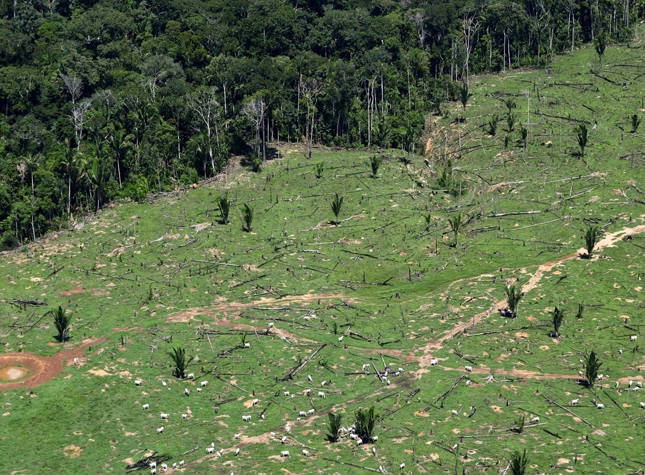
Investors managing $3 trillion in assets urge countries to stop deforestation
Global investors managing over $3 trillion in assets called on governments on Monday to stop and reverse deforestation and ecosystem degradation by 2030, in a statement signed ahead of a U.N. climate conference in Brazil next month.
A report last week found the world is falling far short of the goal of stopping deforestation, with losses of 8.1 million hectares (20 million acres) of forest – an area about the size of England – in 2024 alone, largely driven by agricultural expansion and forest fires.
Continue reading here…

Ghosts, goblins and chocolate prices: Here’s what’s scary this Halloween
According to the Retail Council of Canada, the price of Halloween candy — specifically chocolate — is up between 10 and 20 per cent across the country compared to the same time last year.
Statistics Canada doesn’t track Halloween candy specifically, but it does track confectionery items like chocolate and other sugary treats. For Ontario, the category went up in price by 6.7 per cent in September compared to the same period last year.
Continue reading here…
September 2025
4.6 Billion Years On, the Sun Is Having a Moment
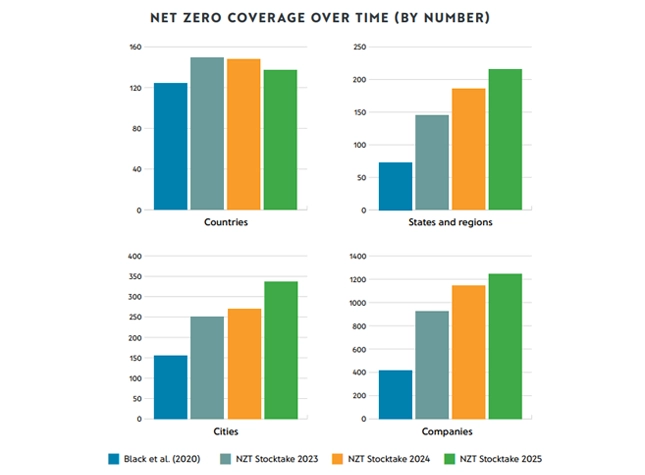
Net Zero remains essential for halting human-caused climate change, yet it has entered a more contested phase. Despite political pushback, the global trend continues: more than 1,900 entities now have net-zero targets , with standards tightening in the lead-up to COP30.
The 2025 Stocktake report from the Net Zero Tracker assesses target-setting across the-economy, examining whether national, subnational and corporate strategies include credible components such as interim goals and robust plans. This year’s edition also explores how net-zero targets relate to the climate–nature nexus.
Continue reading here…
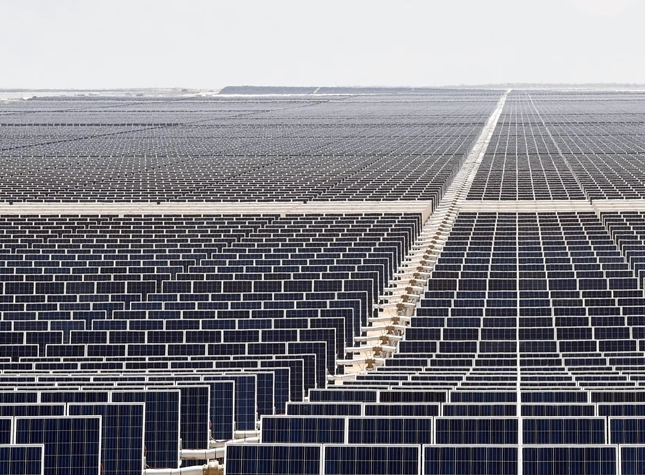
Climate action can feel slow – but the fastest energy leap in history has begun
It’s increasingly common to hear from experts and the general public that the global shift away from fossil fuels is glacially slow, or even nonexistent.
In reality, we’re living through the fastest energy transformation in human history. Every previous large-scale shift in energy – from muscle power to wood to coal to oil – has taken decades or even longer. But the “renewable revolution” is happening far faster.
Continue reading here…
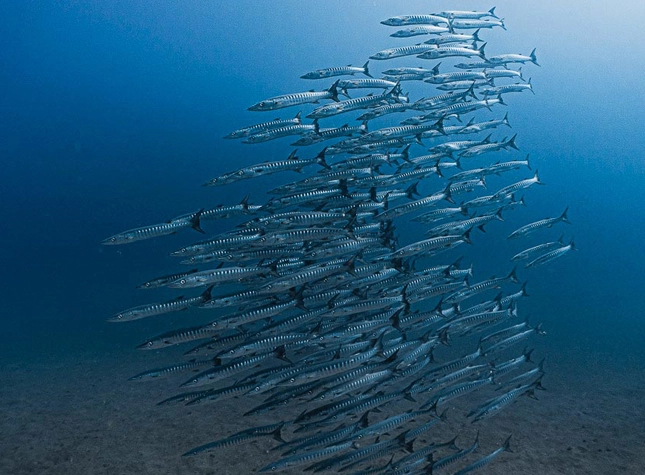
For the First Time in 40 Years, Panama’s Ocean Lifeline Has Vanished
Panama’s seasonal upwelling collapsed in 2025, linked to reduced winds. The event signals risks for fisheries and climate-sensitive ocean processes.
The annual phenomenon of upwelling in the Gulf of Panama failed to occur in 2025 for the first time on record. A team of scientists from the Smithsonian Tropical Research Institute (STRI) linked the disruption to weakened trade winds.
Continue reading here…

Saudi Arabia Is Losing Its Appetite for Oil
Saudi Arabia, the world’s biggest net exporter of crude, is using renewables to drastically reduce its petroleum consumption.
This is an extraordinary reversal. Since the start of the 21st century, Saudi Arabia’s oil consumption has increased more than any other country barring China and India. It’s doubled to 2.3 million barrels per day, greater than the incremental demand from Africa, Latin America or the former Soviet Union.
Continue reading here…

International treaty protecting world’s oceans to take effect
A multinational treaty to protect vast expanses of the world’s oceans is finally set to become law in January 2026, with environmentalists hailing its enactment as crucial to safeguarding the marine ecosystems.
The law aims to protect biodiverse areas in waters worldwide that lie in waters beyond countries’ exclusive economic zones.
Continue reading here…
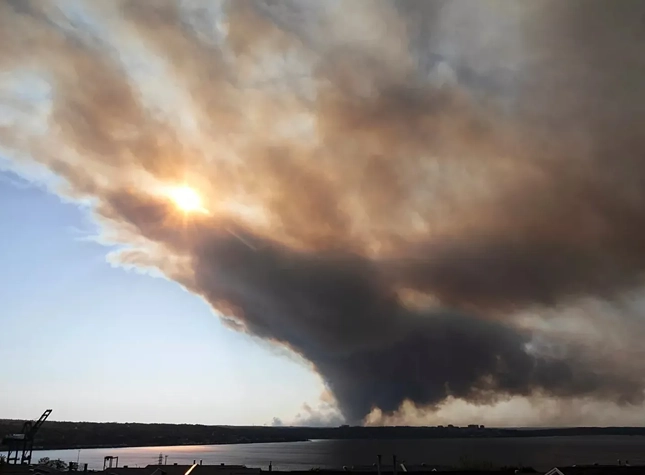
Smoke from Canada’s 2023 wildfires linked to more than 80,000 early deaths worldwide, study warns
More than 350 million people in North America and Europe were exposed to air pollution from Canada’s record-breaking 2023 wildfires, according to new estimates published this week.
Scientists behind this world-first research estimate that long-term exposure to smoke likely caused more than 80,000 premature deaths.
Continue reading here…
August 2025
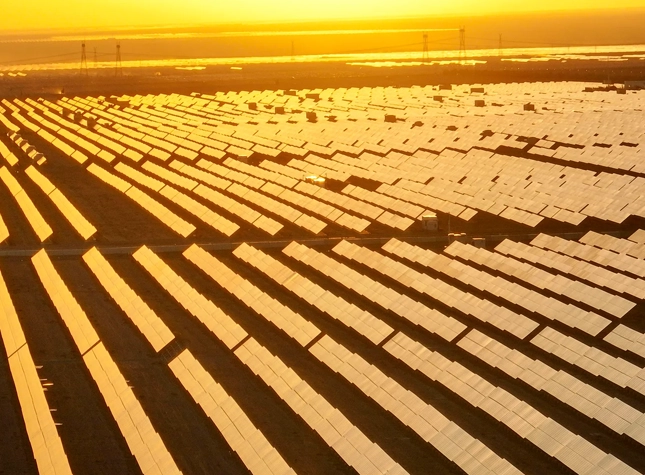
4.6 Billion Years On, the Sun Is Having a Moment
In the past two years, without much notice, solar power has begun to truly transform the world’s energy system.
Continue reading here…

Climate change major driver of surging algae levels in Canada’s lakes: study
A study of dozens of Canadian lakes suggests global warming is the major driver of surging algae levels, raising questions about the health of a sizeable chunk of Earth’s freshwater as temperatures continue to climb.
Average algae levels have spiked seven-fold since around the 1960s compared to the previous century, according to a study of 80 lakes across Canada.
Continue reading here…
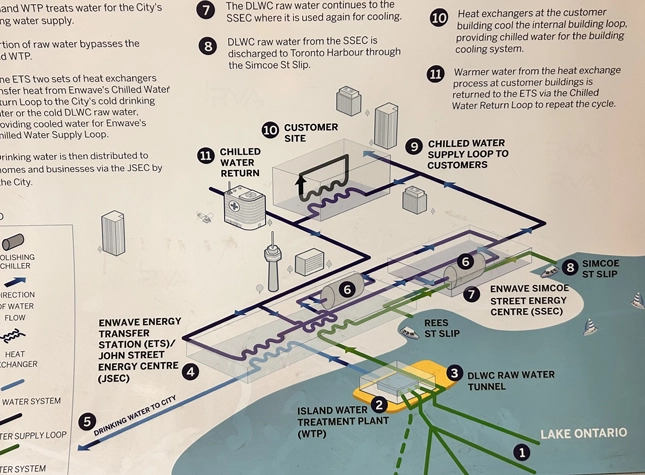
Downtown Toronto keeps its cool thanks to Lake Ontario
Toronto’s deep lake water cooling network, the largest of its kind in the world, draws cold water from the lake, and passes it through heat exchangers and circulates the cool water through a closed loop, connecting downtown buildings. Buildings draw cooling from the system, and return the water at slightly warmer temperatures for recycling. In the winter, the system works in reverse by capturing the heat produced during the exchange to aid in heating the buildings.
Continue reading here…
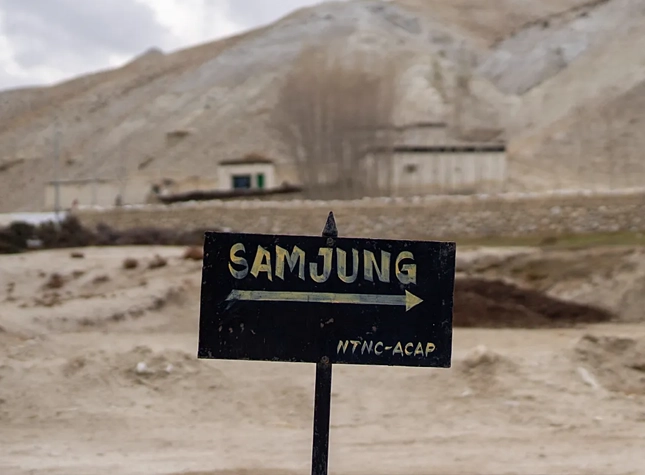
‘We moved because there was no water’: Climate change forces ancient Himalayan village to relocate
After generations of herding and harvesting in the mountains, villagers in Samjung have been forced to relocate as snow fails, rains flood, and water sources disappear.
Continue reading here…

Heatwaves are making people age faster, study suggests
Repeated exposure to heatwaves is accelerating aging in people, according to a study. The impact is broadly comparable with the damage smoking, alcohol use, poor diet or limited exercise can have on health, the researchers said. Extreme temperatures are increasingly common owing to the climate crisis, potentially causing widespread and long-lasting damage to the health of billions, the scientists warned.
Continue reading here…

World’s first industrial-scale fossil-free plastics production complex to be built in Belgium
The world’s first industrial-scale fossil-free plastics production facility is set to be established in Belgium. The facility will use Lummus’ proven sustainable polymer technology. Vioneo has Lummus as its facility’s polypropylene partner.
The complex will also be highly electrified using renewable electricity and use renewable hydrogen as key components to its operations.
The company claimed that plastics produced will be fully traceable and CO2 negative, allowing customers to reduce their Scope 3 emissions. Continue reading here…
July 2025
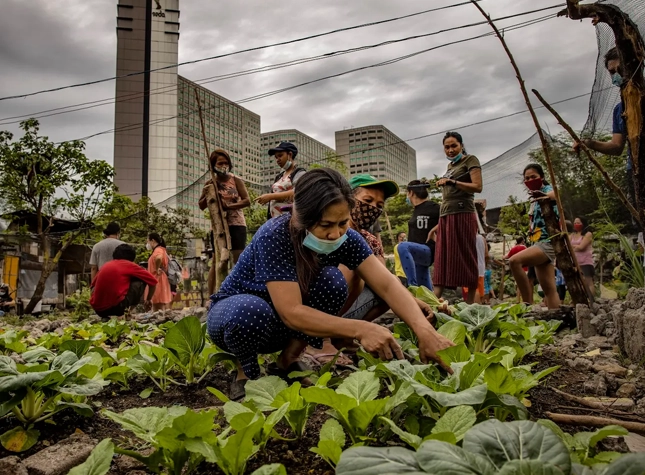
As nations lag on climate action, their cities are stepping up. Here’s proof.
Your city is probably fighting climate change in more ways than you realize. Perhaps your mayor is on a mission to plant more trees, or they’ve set efficiency standards for buildings, requiring better windows and insulation. Maybe they’ve even electrified your public transportation, reducing both greenhouse gas emissions and air pollution.
Continue reading here…
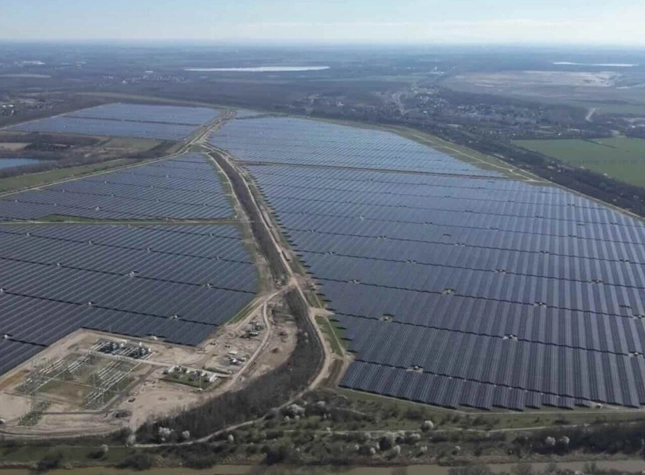
Solar energy shines as nuclear and other thermal generators wilt in European heatwave
The extraordinary heat waves that swept across Europe in June and early July brought with it the highest solar power production on record, which turned out to be useful because thermal generators, and France’s nuclear fleet in particular, struggled to stay on line as temperatures hit 40°C and more.
Continue reading here…
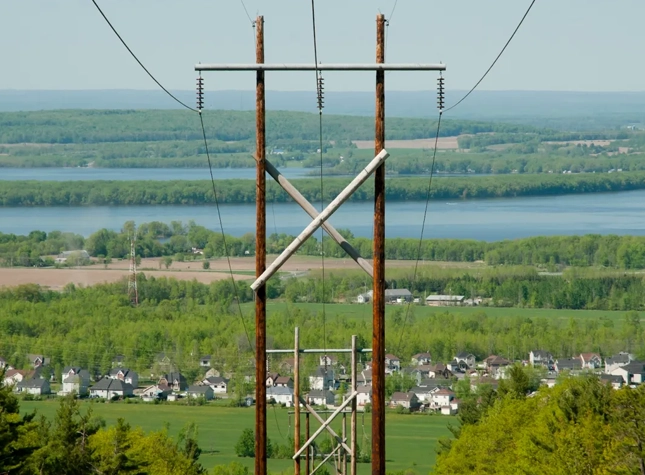
Energy giant announces massive deal delivering next-gen power to thousands of homes: ‘A strong example of what’s possible’
The provincial electric utility, Hydro-Québec, has signed an agreement with EDF power solutions, which will deploy wind turbines made by Vestas in the southern region of Lac-Mégantic.
Once the 20 turbines are installed, the Haute-Chaudière project is expected to generate 124 megawatts (MW) of power, enough to sustain tens of thousands of homes in Québec.
Continue reading here…
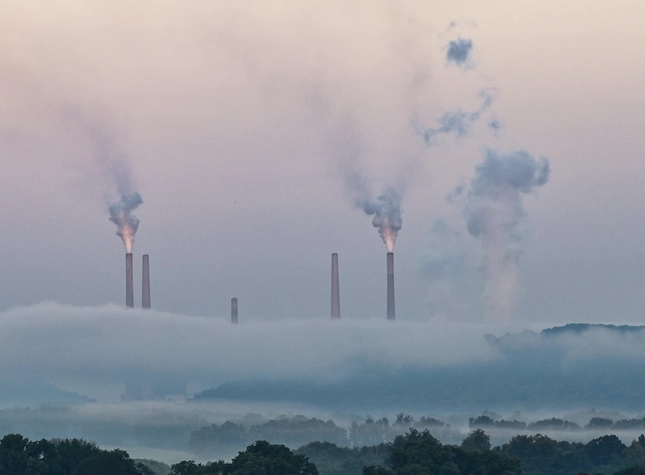
U.N. court rules countries have duty to limit greenhouse emissions
The United Nations’ highest judicial body ruled Wednesday that nations have a “duty” to prevent environmental harm and are obliged to limit planet-warming greenhouse gas emissions, which come primarily from fossil fuels.
In its first-ever ruling on climate issues, the International Court of Justice said any breach represents an “internationally wrongful act” and can lead to reparations for countries suffering the consequences if a “causal” link can be shown.
Continue reading here…
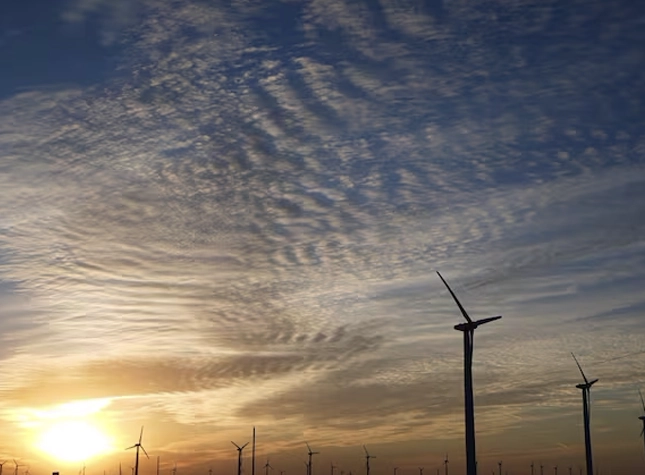
Green energy has passed ‘positive tipping point,’ and cost will come down, UN says
The global switch to renewable energy has passed a “positive tipping point” where solar and wind power will become even cheaper and more widespread, according to two United Nations reports released on Tuesday that describe a bright spot amid otherwise gloomy progress to curb climate change.
Continue reading here…
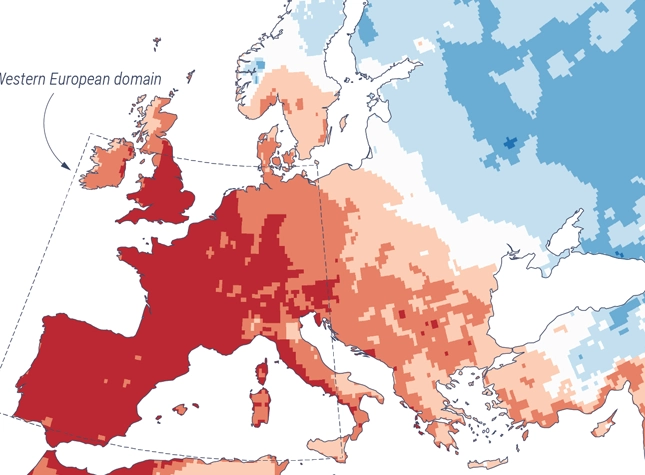
Heatwaves contribute to the warmest June on record in western Europe
The European continent experienced two significant heatwaves in mid-June and late June-early July 2025. The first event peaked between 17 and 22 June, affecting large parts of western and southern Europe. The second heatwave occurred at the turn of the month, with even more extreme temperatures between 30 June and 2 July across the same region. Let’s take a closer look at what the ERA5 data, produced by the Copernicus Climate Change Service, tells us about June 2025 in western Europe.
Continue reading here…
June 2025
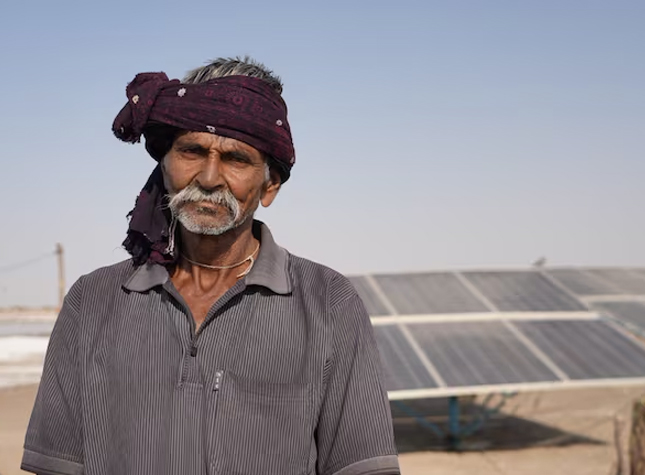
Life is ‘better after solar’: Harnessing sunlight gives India’s salt farmers freedom and profit
Under a punishing midday sun, Devabhai Sawadiya slowly rakes the salt pan that has been in his family for generations. It’s quiet around him, except for the sweeping motions of his salt broom and the soft, clinking sound of dishes being washed nearby.
That’s a new development. For years, there used to be loud, sputtering diesel machines running constantly to pump out the salty brine stuck underground, which the farmers then spread out into the square fields to evaporate and produce salt crystals.
Continue reading here…
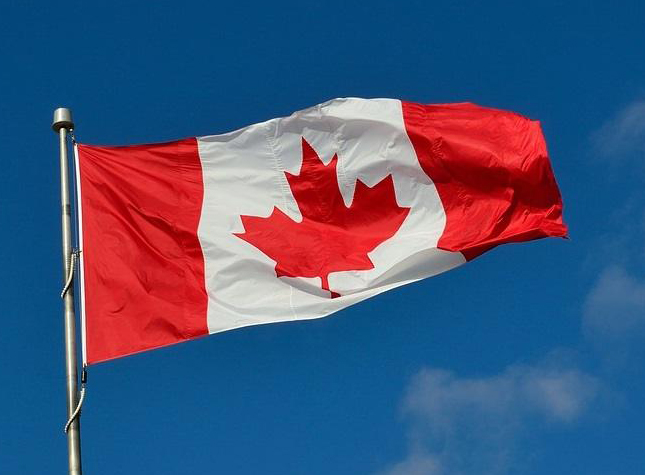
Canada Releases Anti-greenwashing Guidance for Companies
Canada’s Competition Bureau announced the release of its final guidelines on environmental claims, aimed at helping companies to comply with new anti-greenwashing laws when making claims about the environmental benefits or attributes of products or businesses.
The new publication includes a guideline for environmental claims about the future – such as Net Zero goals and timelines – requiring them to be supported by substantiation and a clear plan, noting that “claims about the future can be considered greenwashing if they represent little more than wishful thinking.”
Continue reading here…
Solar panel arrays may help sustain grasslands during drought: Study
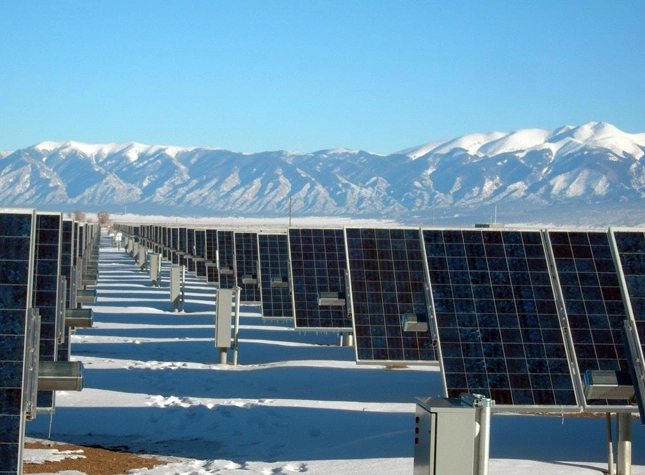
The placement of solar panels in Colorado’s grasslands could help decrease water stress and increase plant growth by about 20 percent during dry years, a new study has found.
In these semi-arid areas, where grasslands often don’t get as much water as they need, the partial shading offered by solar systems can help plants get through harsh summers, according to the study…
Continue reading here…
Canada has already surpassed a year’s worth of charred land from wildfires
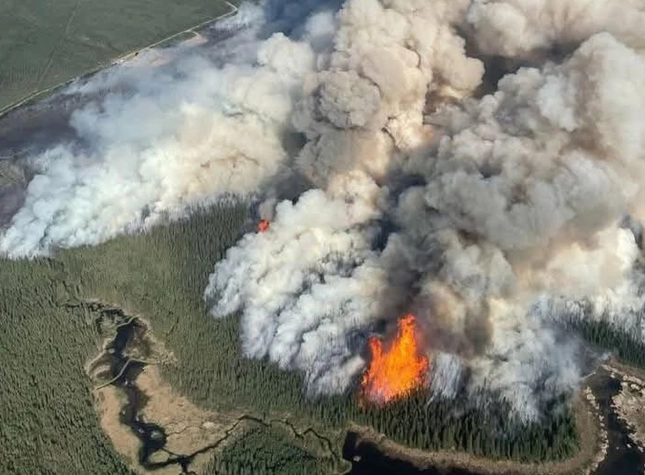
Wildfires across Canada are devouring land at a pace unseen in any year other than the historic 2023 season.
With more than 3.15 million hectares burned, according to Canadian Interagency Forest Fire Centre data, the season has already raced past the annual average, even when including the past two major fire seasons.
Continue reading here…

Lululemon Signs Deal to Buy Recycled Materials for up to 20% of its Total Fibers
Athletic apparel company lululemon athletica and Australian environmental technology startup Samsara Eco announced a new 10-year offtake agreement, providing recycled raw materials including nylon and polyester for use in Lululemon’s products.
According to the companies, the new agreement could see Samsara Eco’s materials support approximately 20% of lululemon’s overall fibers portfolio.
Continue reading here…
CO2 levels just broke another record. Here’s what that means
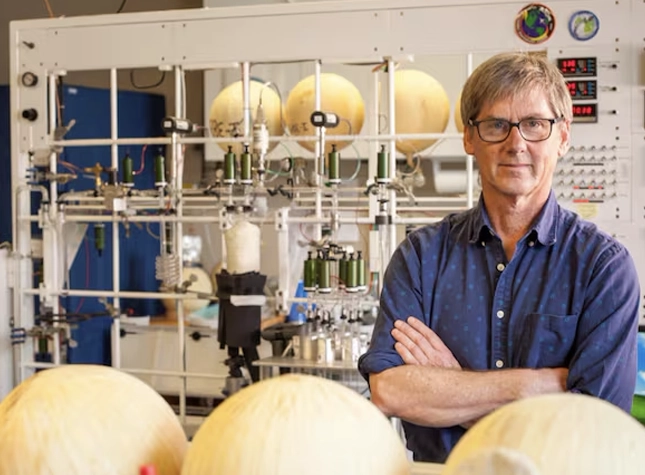
When man first walked on the moon, the carbon dioxide concentration in Earth’s atmosphere was 325 parts per million (ppm).
By 9/11, it was 369 ppm, and when COVID-19 shut down normal life in 2020, it had shot up to 414 parts ppm.
This week, our planet hit the highest levels ever directly recorded: 430 parts per million.
Continue reading here…
May 2025
Analysis: Clean energy just put China’s CO2 emissions into reverse for first time
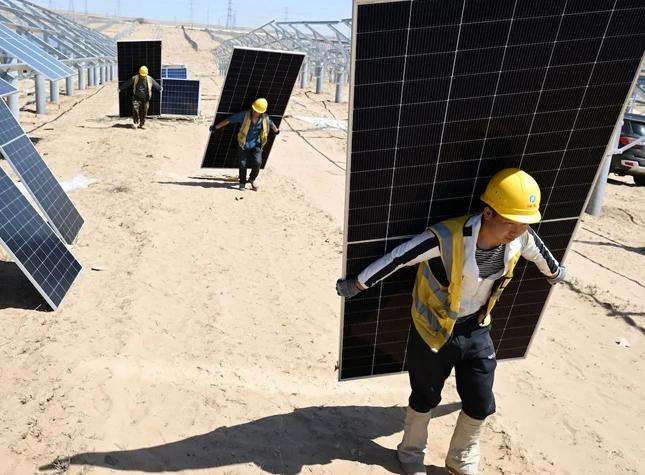
The new analysis for Carbon Brief shows that China’s emissions were down 1.6% year-on-year in the first quarter of 2025 and by 1% in the latest 12 months.
Electricity supply from new wind, solar and nuclear capacity was enough to cut coal-power output even as demand surged, whereas previous falls were due to weak growth.
The analysis, based on official figures and commercial data, shows that China’s CO2 emissions have now been stable, or falling, for more than a year.
Continue reading here…
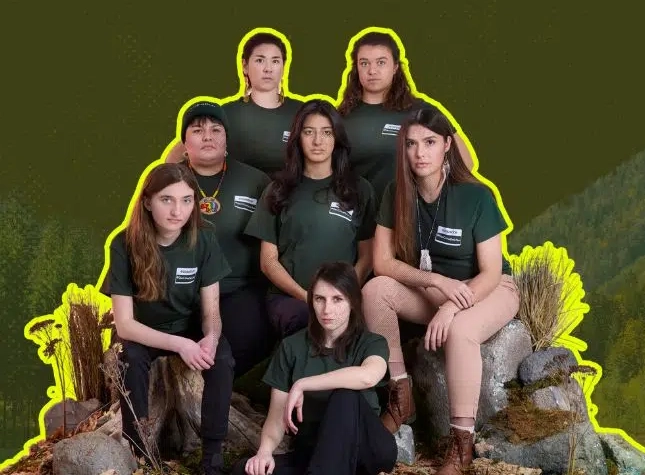
No more delays — Ontario government must answer for its climate record in historic youth climate case
The youth-led Mathur case is heading back to court. Today, the Supreme Court of Canada has rejected Ontario’s request to appeal a landmark decision from the Ontario Court of Appeal. The case will now go back to the Ontario Superior Court of Justice, where the court will be asked to provide meaningful remedies for the government’s ongoing violation of Charter rights.
The seven youth bringing this case, backed by lawyers at Ecojustice and Stockwoods LLP, are celebrating the ruling and seeking a swift and final resolution that vindicates their constitutional rights and meets the pressing urgency of the climate crisis.
Continue reading here…

H&M-Backed Syre to Build “Gigascale” Textile-to-Textile Recycling Plant in Vietnam
circular economy startup Syre announced that it has signed an agreement with the province of Binh Dinh, Vietnam with the intention to establish the company’s first “Gigascale” textile-to-textile recycling plant in the province.
Founded in 2024, Syre was launched by fashion and design brands company H&M Group and impact-focused venture investor Vargas, to enable the mass production of textile-to-textile recycled materials, and provide a closed loop solution for the clothing industry. Syre aims to support the decarbonization and waste reduction efforts of the textile industry through recycling, starting with Polyester, which accounts for up to 40% of the sector’s emissions.
Continue reading here…

Supermarket chain unveils mind-blowing new plan for unsold food: ‘Food waste is a global tragedy’
To reduce reliance on traditional dirty fuels, British supermarket chain Sainsbury’s has launched an initiative to transform its food waste into fuel for its fleet of heavy goods vehicles.
RenEco, a waste processing company, has partnered with the chain to help it reduce waste and the use of diesel for its trucking fleet at the Emerald Park distribution centre, according to Retail Insight Network.
The company will create biofuel from food that cannot be donated or used for animal feed to power 30 trucks at the location, which is half the fleet.
Continue reading here…
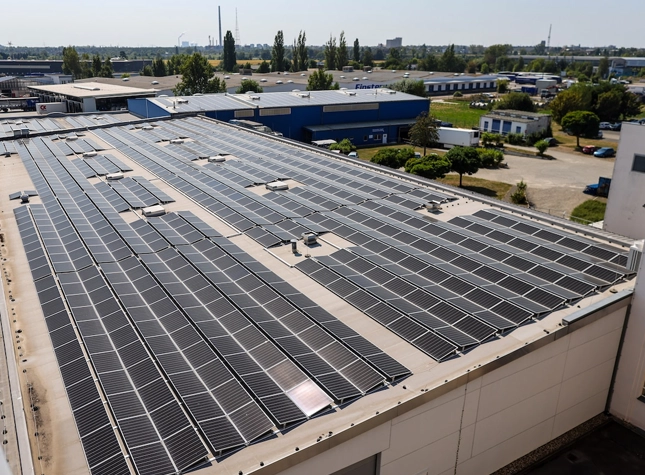
European Companies Increasingly Support Strong Climate Action: Report
“Recent polling shows that business leaders overwhelmingly support a rapid transition to renewable energy. Now, this research from InfluenceMap reveals that companies are acting on that strategic direction and treating climate action as material to their business. This is not the preoccupation of a minority, but an increasingly significant portion of the corporate sector that use science-aligned policy engagement as a tool for safeguarding strategic investments in the energy transition. It is incumbent on the rest of the business and investor community to take note of these positive trends,” said Dominic Gogol, director of policy at the We Mean Business Coalition, in the press release.
Continue reading here…
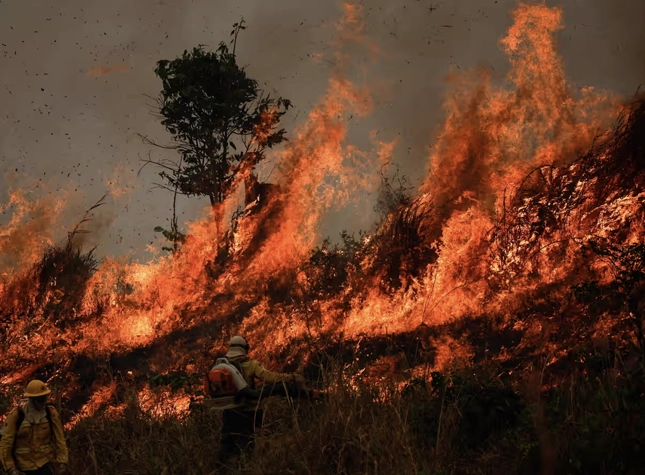
Fires drove record loss of world’s forests last year, ‘frightening’ data shows
The destruction of the world’s forests reached the highest level ever recorded in 2024, driven by a surge in fires caused by global heating, according to “frightening” new data.
From the Brazilian Amazon to the Siberian taiga, Earth’s forests disappeared at a record rate last year, losing an area the size of Italy to agriculture, fires, logging and mining, according to analysis from the University of Maryland hosted on Global Forest Watch.
Continue reading here…
April 2025
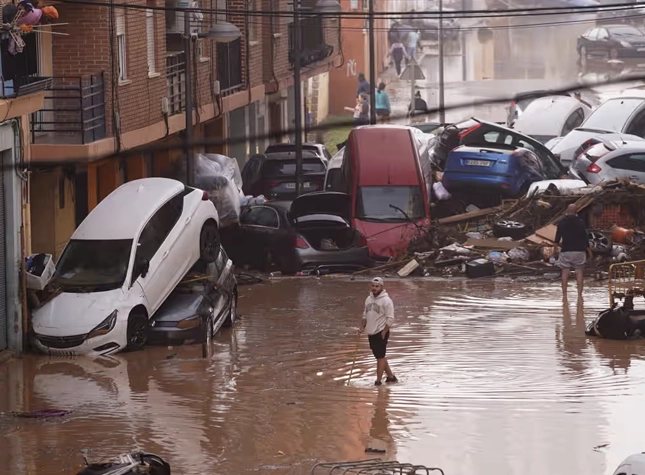
Deadly floods and storms affected more than 400,000 people in Europe in 2024
The home-wrecking storms and floods that swept Europe last year affected 413,000 people, a report has found, as fossil fuel pollution forced the continent to suffer through its hottest year on record.
Dramatic scenes of cars piled up on inundated streets and bridges being ripped away by raging torrents were seen around the continent in 2024, with “high” floods on 30% of the European river network and 12% crossing the “severe” flood threshold, according to the European State of the Climate report.
Continue reading here…

Paris air pollution is down 50% after its radical bike-friendly transformation
Cars have been banned from more than 100 streets. Tens of thousands of parking spots have been eliminated. Hundreds of miles of bike lanes have been added. And air pollution is plummeting. Continue reading here…

Unleashing the 89% of People Who Want Climate Action Could Lead to ‘Social Tipping Point’ and More Government Action, Experts Say
A whopping 89 percent of people globally want stronger action on the climate crisis, but feel trapped in a “spiral of silence” because of the mistaken belief they are in the minority, according to research. Experts say making people with pro-climate viewpoints aware that they are in the majority could unleash a social tipping point that could drive leaders to take necessary climate action, reported The Guardian.
Continue reading here…
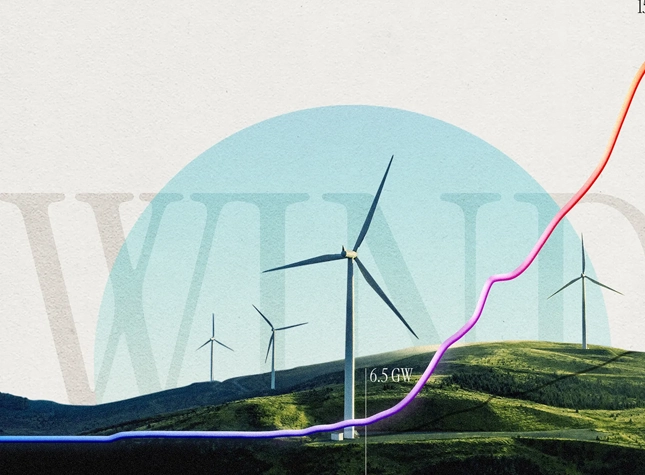
10 charts prove that clean energy is winning — even in the Trump era
Technologies that can power our lives and jobs while doing less harm to the global climate — wind, solar, batteries, etc. — are getting cheaper, more efficient, and more abundant. The pace of progress on price, scale, and performance has been so extraordinary that even the most optimistic forecasts about green tech in the past have turned out to be too pessimistic. Clean energy isn’t just powering our devices, tools, and luxuries — it’s growing the global economy, creating a whole suite of new jobs, and reshaping trade.
Continue reading here…
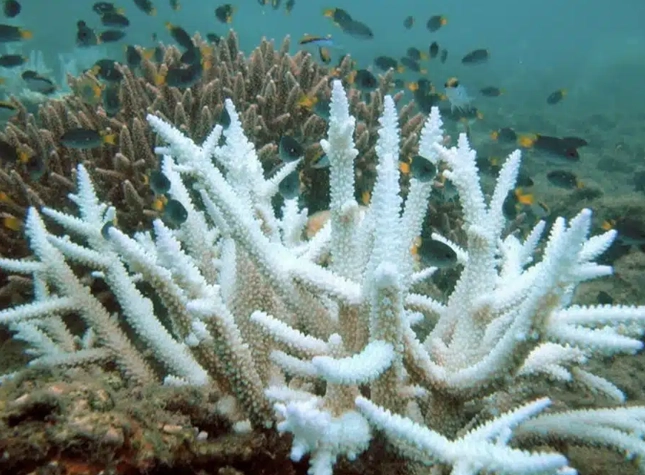
Scientists Confirm Largest Coral Bleaching Event on Record Affecting Nearly 84% of World’s Reefs
The world’s coral reefs are undergoing a mass coral bleaching event that began in 2023 and became the largest event ever recorded.
Some 83.7% of the world’s coral reef area across at least 83 countries and territories have been impacted by bleaching-level heat stress since January 2023, the US National Oceanic and Atmospheric Administration (NOAA) announced last week.
Continue reading here…
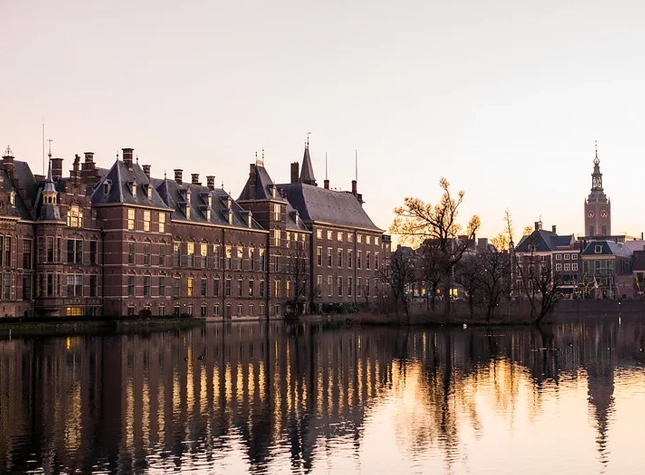
Dutch Court Upholds City’s World-First Law Banning Fossil Fuel Advertising
As global temperatures continue to rise and governments such as the United States ignore the warnings of climate scientists in seeking to ramp up fossil fuel production, some communities are taking action directly against the industry fuelling climate breakdown and its advertising. Dozens of US states and municipalities are suing major fossil fuel companies alleging they misled the public about the dangers of their products, with some cases arguing the deception continues to this day though greenwashing and other misleading advertising.
Continue reading here…
March 2025
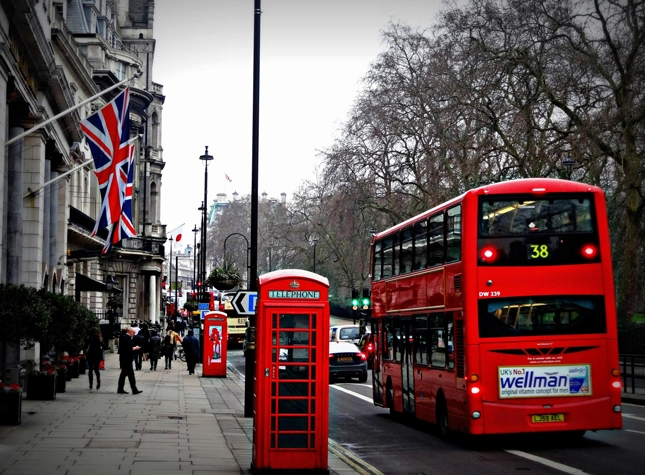
A ray of British sunshine pierces the climate doom
It’s a relief to come across any trend toward safety and sanity these days, especially a sharp and sustained trend. So, let’s take a little mental health break and look at the latest update on climate pollution out of the U.K.
The U.K.’s planet-heating emissions are now the lowest since 1872. That’s not a typo — we’re looking back to a time when Queen Victoria was on the throne, in the place where coal furnaces had fired the industrial revolution. The year 1872 lands smack in the middle of the baseline period that scientists use to measure carbon pollution “relative to the pre-industrial era.” Continue reading here.

‘Green roofs deliver for Biodiversity’: how Basel put nature on top
Hidden high above the streets of Basel is an unappreciated environmental wonder: thousands of gardens perched on otherwise unused roofs. As a result of policies set decades ago, the city boasts some of the greenest rooftops in Europe – averaging more than five square metres (50 sq ft) per person in 2019, or about the size of a large balcony.
Continue reading here.

Climate Inaction Could Cost 1/3 Of Global GDP This Century, BCG Warns
Billions of people will lose their livelihoods and economic output reduced by up to 34% if the Earth is allowed to warm by 3 degrees Celsius this century, but investing less than 2% of GDP now could eliminate most of those losses, a groundbreaking new report from Boston Consulting Group (BCG) and the University of Cambridge has found.
Continue reading here.

Marine rewilding project sees ‘remarkable’ results
A marine rewilding initiative to restore an underwater kelp forest in West Sussex is celebrating “remarkable” results, a wildlife trust has said.
The project was launched after the implementation of a new bylaw prohibiting trawling in a 117 sq mile (302 sq km) coastal area between Shoreham-by-Sea and Selsey in March 2021. Continue reading here.
84% of Companies Keeping or Accelerating Climate Targets
The vast majority of public companies are either retaining or ramping up their climate commitments, with companies found to be more than twice as likely to be increasing their emissions reduction goals than decelerating them, according to a new study released by professional services firm PwC, based on data from climate research provider and environmental disclosure platform CDP.
The study also found that the practice of setting climate goals is progressing down the value chain as companies increase engagement efforts, with smaller companies representing a growing proportion of those introducing new targets. Continue reading here.

Big Banks Quietly Prepare for Catastrophic Warming
Top Wall Street institutions are preparing for a severe future of global warming that blows past the temperature limits agreed to by more than 190 nations a decade ago, industry documents show.
Continue reading here.
February 2025

Can Colombia’s ‘crazy’ cattle ranchers make beef an eco-friendly choice?
By rejecting traditional grazing and maintaining trees and wildlife habitats alongside pasture, farmers are turning their land carbon positive. But will it be enough? Continue reading here.
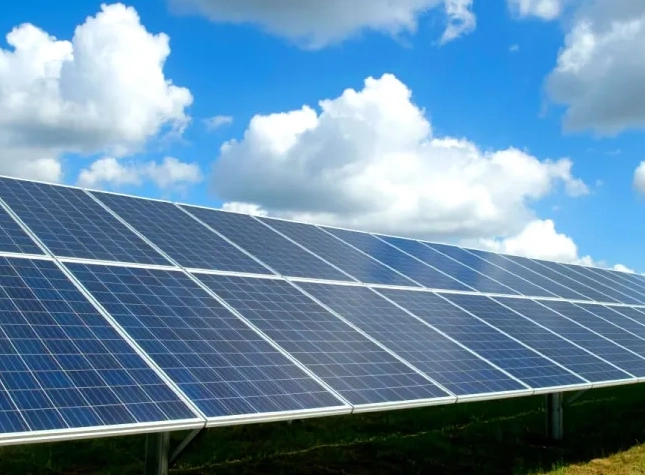
New York’s largest solar farm is a go with $950 million in funding
Clean energy investment manager Greenbacker Renewable Energy has secured $950 million to build what will be New York State’s largest solar farm.
Greenbacker acquired the 500-megawatt (MW) Cider project from renewable energy developer Hecate Energy. Work started in October, and the project is expected to come online in 2026. Continue reading here.
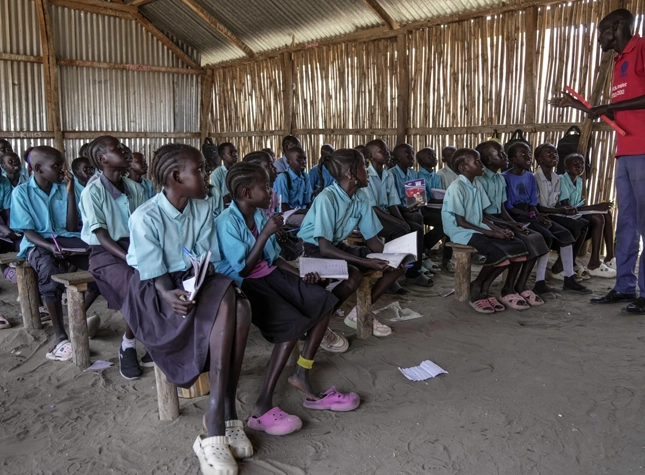
South Sudan closes schools after students collapse due to extreme heat
South Sudan closed all schools Thursday for two weeks due to an extreme heat wave that has caused some students to collapse.
This is the second time the country — which faces extreme effects from climate change, including flooding during the rainy season — has closed schools during a heat wave in February and March. Continue reading here.
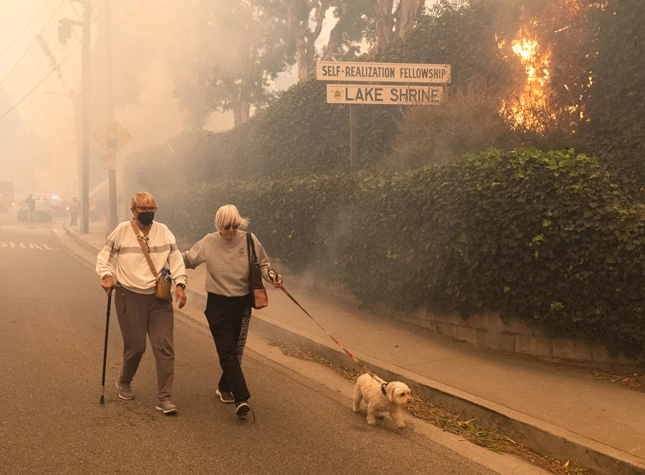
Doctors and Medical Schools Are Changing Treatments and Training to Respond to the Warming Climate
It took nearly a month to contain the wildfires that burned over 40,000 acres around Los Angeles in January, but doctors warn that serious health implications from the blazes are just starting to unfold and will likely persist much longer. While all wildfires produce particulate matter and caustic ash, the toxic elements from burning buildings, cars and infrastructure differentiate the smoke and ash from last month’s Southern California fires. Children are especially vulnerable to the toxins in the smoke and ash. Continue reading here.

UN warns that ‘time is not on our side’ as key climate science meeting begins
Representatives from nearly 200 countries gathered on Monday to work out the details of the next major UN climate science report.
The Intergovernmental Panel on Climate Change (IPCC) is meeting for a week-long session in Hangzhou, China to negotiate the content and timing of the next landmark assessment. It comes not long after several climate agencies confirmed that 2024 was the hottest year on record. Continue reading here.

Fisheries and Oceans Canada expects to flounder under mounting climate costs
Hurricane Fiona left a trail of destruction across the Atlantic Coast in September 2022 wreaking havoc on wharves, fisheries, vessels, and gear and the federal government’s pocketbook.
In response to the climate disaster, Fisheries and Oceans Canada (DFO) has had to earmark more than $563 million to deal with Fiona’s aftermath, including damage to 142 out of 184 small craft harbours on the Atlantic coast. Continue reading here.
January 2025
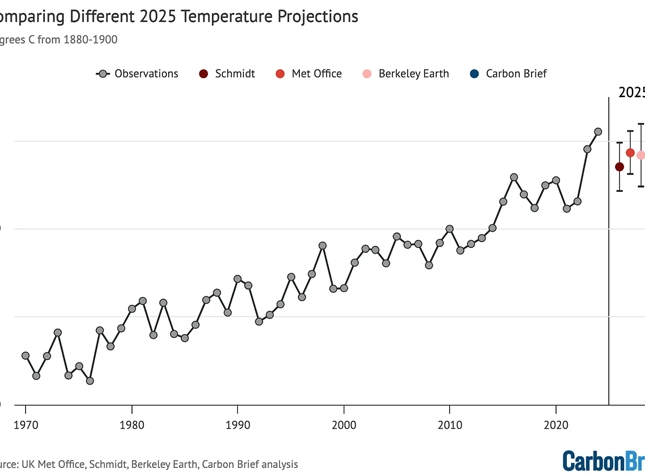
January sets an unexpected temperature record
Despite long-faded El Niño conditions, 2025 saw the warmest January on record.
Both 2023 and 2024 were exceptionally warm years, at just below and above 1.5C relative to preindustrial in the WMO composite of surface temperature records, respectively. While we are still working to assess the full set of drivers of this warmth, it is clear that a sizable portion of 2024’s elevated temperatures were driven by a moderately strong El Niño event that peaked in November 2023. Continue reading here.

Researchers propose a ‘circular economy’ solution to housing affordability against climate change
A global housing affordability crisis is underway, so when the Center for Demographics and Policy at Chapman University in the U.S. released a report this year highlighting the “disastrous” state of housing affordability for 94 markets — where median home prices far exceed median wages by many times, making housing much more expensive for the current generation of first-time homebuyers than for their parents — it wasn’t surprising. Continue reading here.

A new life for empty offices: Growing kale and cucumbers
In some cities, as many as one in four office spaces are vacant. Some start-ups are giving them a second life — as indoor farms growing crops as varied as kale, cucumber, and herbs.
Since its 1967 construction, Canada’s “Calgary Tower”, a 190m (623ft) concrete-and-steel observation tower in Calgary, Alberta, has been home to an observation deck, panoramic restaurants and souvenir shops. Last year, it… Continue reading here.

Climate emergency: 2025 declared international year of glaciers
In 2023, glaciers experienced their greatest water loss in over 50 years, marking the second consecutive year in which all glaciated regions worldwide reported ice loss.
Switzerland, for instance, saw their glaciers lose 10 per cent of their total mass between 2022 and 2023, according to the WMO. Continue reading here.
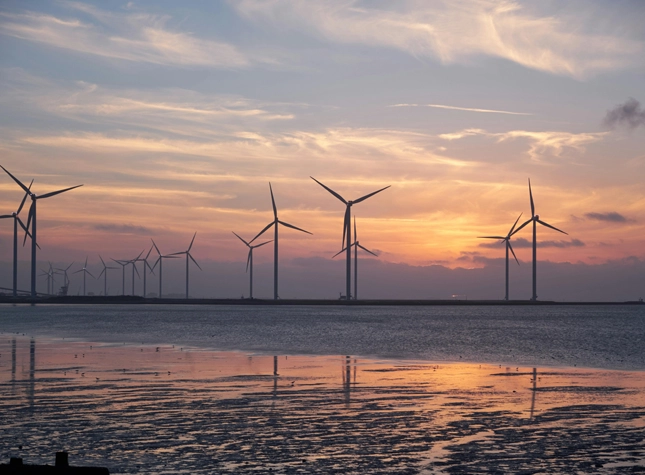
How US states are leading the climate fight – despite Trump’s rollbacks
As the Trump administration rolls back decades-old environmental protections and pulls Biden-era incentives for renewable energy, state-level advocates and officials are preparing to fill the void in climate action.
Some state leaders are preparing to legally challenge the president’s environmental rollbacks, while others are testifying against them in Congress. Meanwhile, advocates are pushing for states to meet their ambitious climate goals using methods and technologies that don’t require federal support. Continue reading here.
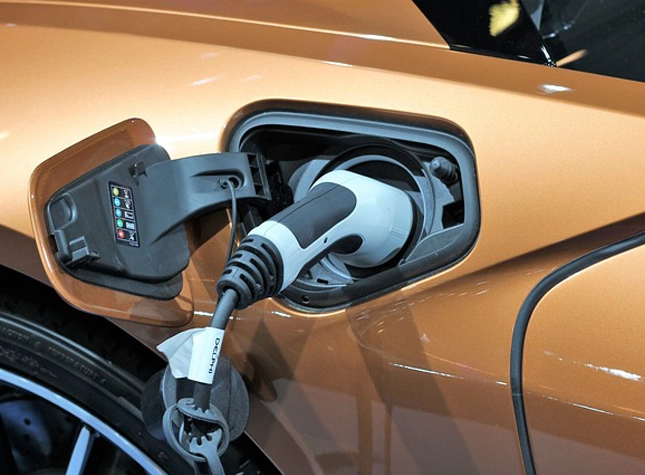
Norway on track to be first to go all-electric
Norway is the world leader when it comes to the take up of electric cars, which last year accounted for nine out of 10 new vehicles sold in the country. Can other nations learn from it? Continue reading here.
December 2024

How a Colombian City Cooled Dramatically in Just Three Years
With “green corridors” that mimic the natural forest, Medellín is driving down temperatures — and could become five degrees cooler over the next few decades. Read full story here.
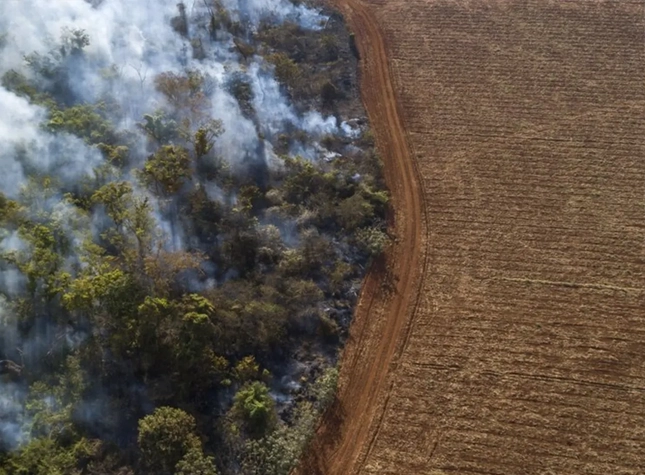
Amazon rainforest: Deforestation rate halved in 2023
President Lula has pledged to end deforestation in the Amazon by 2030. The rate of deforestation in Brazil’s Amazon fell by nearly 50% in 2023 compared to the previous year, space agency data suggests. Brazil’s environment ministry said it was the lowest recorded deforestation rate in the last five years. Though smaller than in previous years, the deforested area is still more than six times the size of New York City. Continue reading here.

7,000 microplastics Studies Show We Have One Really Big Problem
It’s been 20 years since a paper in the journal Science showed the environmental accumulation of tiny plastic fragments and fibres. It named the particles “microplastics.” The paper opened an entire research field. Since then, more than 7,000 published studies have shown the prevalence of microplastics in the environment, in wildlife and in the human body. So what have we learned? Continue reading here.
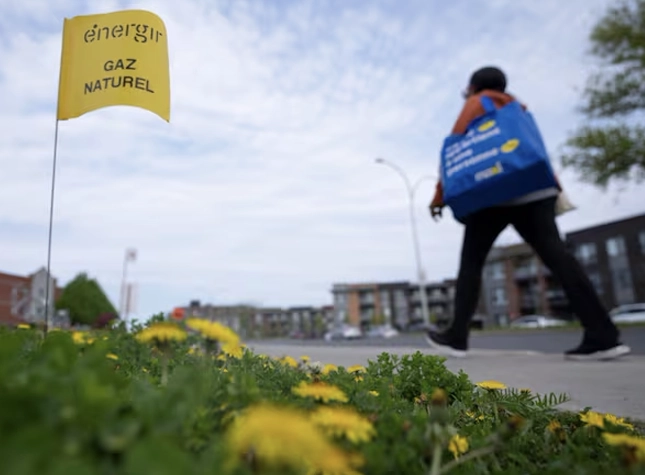
Quebec to ban fossil fuel natural gas heating in homes by 2040
Environmental groups are praising Quebec’s plan to ban fossil-fuel-based natural gas heating in homes by 2040 in an effort to significantly reduce greenhouse gas emissions. “Basically the idea is to stop the hemorrhage,” said Jean-Pierre Finet, analyst with Le Regroupement des organismes environnementaux en énergie (ROEE), which advocates for sustainable energy in Quebec and a shift away from fossil fuels. Read full story here.
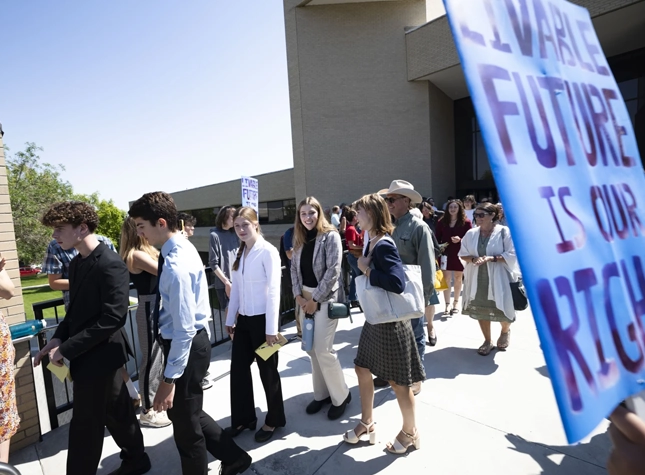
Global warming can’t be ignored, Montana’s top court says, upholding landmark climate case
Montana’s Supreme Court upheld a landmark climate ruling that said the state was violating residents’ constitutional right to a clean environment by permitting oil, gas and coal projects without regard for global warming.
The justices, in a 6-1 ruling, rejected the state’s argument that greenhouse gases released from Montana fossil fuel projects are minuscule on a global scale and reducing them would have no effect on climate change, likening it to asking: “If everyone else jumped off a bridge, would you do it too?” Read full story here.

Massive Alaskan Bird Die-Off Shocks Scientists
Scientists have reported the most significant bird mortality event in modern history, with over 4 million common murres perishing in Alaska. This catastrophic loss, revealed in a recent study published in the journal Science, surpasses any previous known wildlife disaster, including the infamous Exxon Valdez oil spill. Continue reading story here.
November 2024
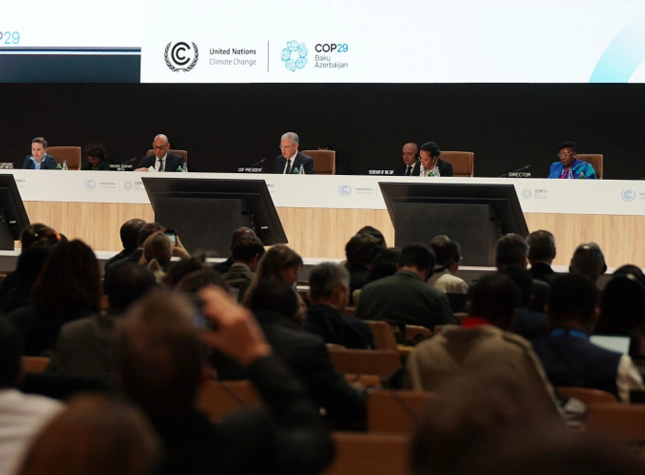
COP29 UN Climate Conference Agrees to Triple Finance to Developing Countries, Protecting Lives and Livelihoods
The UN Climate Change Conference (COP29) closed with a new finance goal to help countries to protect their people and economies against climate disasters, and share in the vast benefits of the clean energy boom. Read more about their breakthrough agreement here.
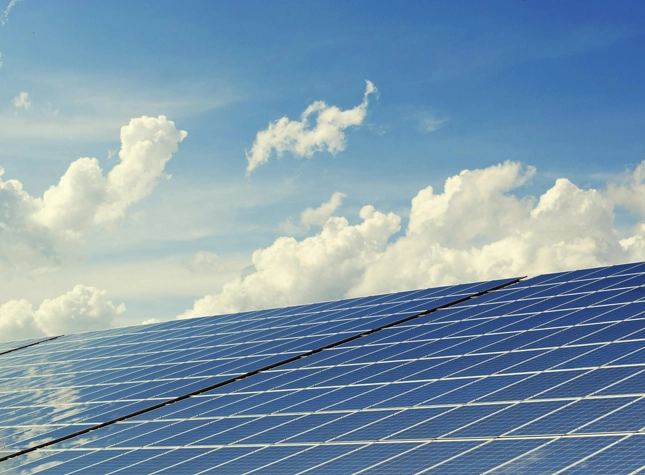
‘Spectacular’ growth in renewables in 2023 keeps COP28 pledge within reach, says IEA
Global renewable energy capacity grew by the fastest pace in the last 20 years in 2023, which could put the world within reach of meeting a key climate target by the end of the decade, according to the International Energy Agency (IEA).
The Paris-based agency said rapid growth of solar in China was the main driver as the world added nearly 510 gigawatts — enough to power nearly 51 million homes for a year — with Europe, the United States and Brazil also seeing record growth. Continue reading here.
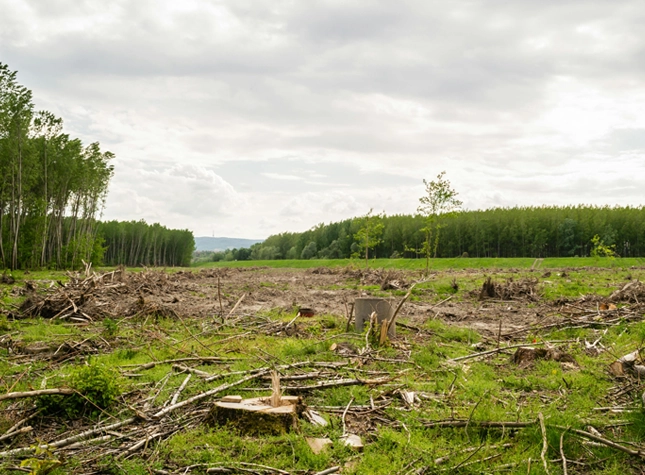
Press Release: Nature and land use will make or break the climate transition
A leading policy forecasting body commissioned by the PRI, the $120tn UN-supported investor group, today publishes new global analysis of the trajectory of national environmental policies and their impacts on companies and investors.
The Inevitable Policy Response (IPR) forecast, built from detailed analysis of over 300 major policy levers and drawing on the input of over 100 policy experts, shows that progress on nature and land use will ultimately make or break efforts to achieve Net Zero. Continue reading here.

‘Revolutionary’: EU Parliament votes to criminalize most serious cases of ecosystem destruction
The European Union has become the first international body to criminalize the most serious cases of environmental damage that are “comparable to ecocide.”
Ecosystem destruction, including habitat loss and illegal logging, will be punished with tougher penalties and prison sentences under the EU’s updated environmental crime directive. Continue reading here.
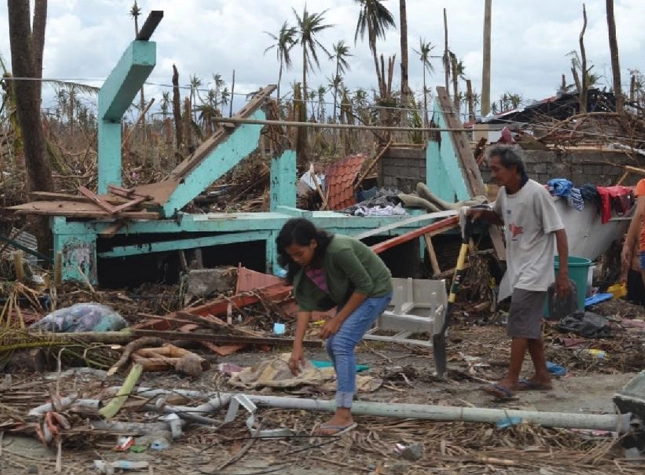
The 2024 state of the climate report: Perilous times on planet Earth
We are on the brink of an irreversible climate disaster. This is a global emergency beyond any doubt. Much of the very fabric of life on Earth is imperilled. We are stepping into a critical and unpredictable new phase of the climate crisis. Continue reading here.

University of Toronto’s environment school cuts financial ties to fossil fuels
The University of Toronto’s environment school has announced it will financially dissociate from fossil fuel companies, in a landmark win for climate activists. Continue reading here.
October 2024
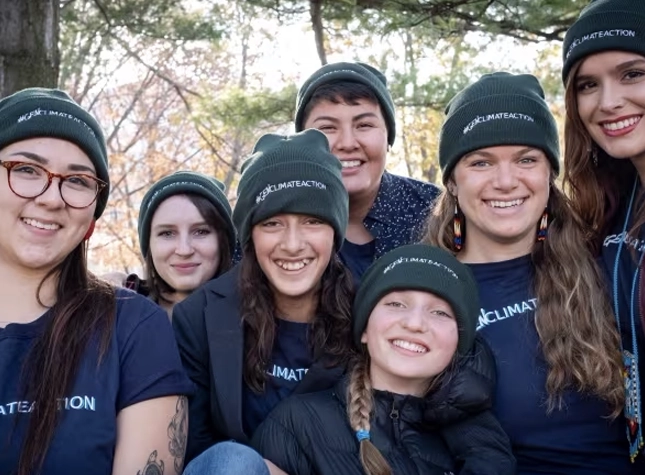
Ontario’s top court orders new hearing in youth climate case
Young people arguing Ontario’s weakened emissions target violates their Charter rights Read the full article here.
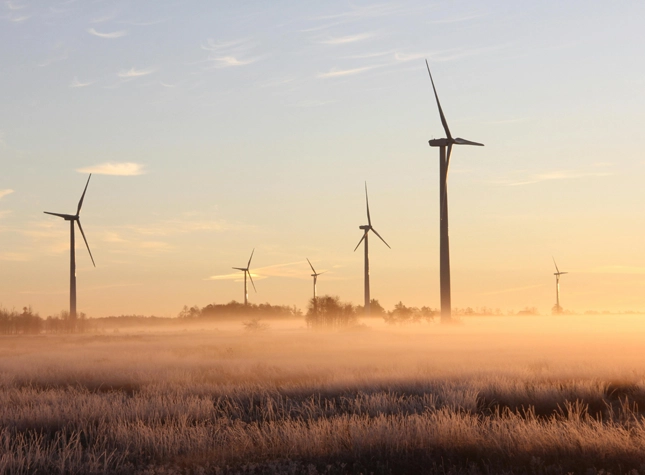
Net Zero Stocktake 2024
Net Zero Tracker (Oxford Net Zero, Energy and Climate Intelligence Unit, Data-Driven EnviroLab and NewClimate Institute) released the latest stocktake of how the world is doing on our journey towards Net Zero carbon emissions. You can read it here.

Turtle comebacks and solar breakthroughs: Positive environmental stories from 2024
Climate anxiety is very real, but these good news stories from 2024 prove there is hope for our planet. Eco-anxiety, climate doom, environmental existential dread – as green journalists, we see these terms used a lot – and often feel them ourselves.
While there’s a lot to be worried about when it comes to the climate and nature crises, we must not lose hope – because hopelessness breeds apathy.
The media has an important role to play in combatting climate doom. It’s our job to be truthful and accurate in our reporting, not trying to downplay or greenwash the situation. But it’s also our job to show that there is hope. Read the full article here.
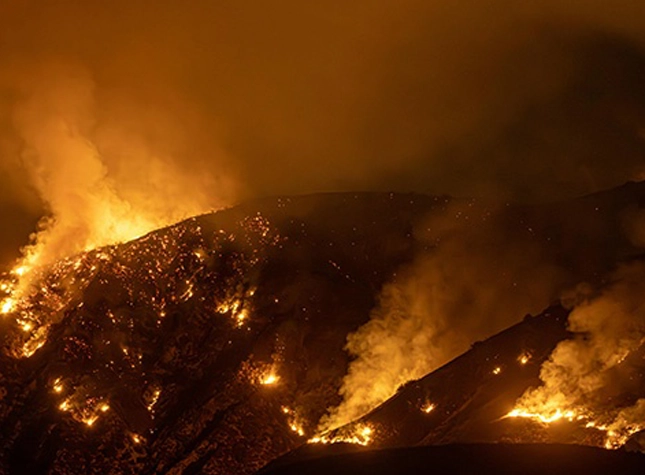
Research reveals global increase in wildfires due to climate change despite human interventions
Researchers have made a direct link between climate change and the increasing frequency and intensity of wildfires around the world, while also linking it to thousands more smoke-related deaths over the last several decades. Read full article here.
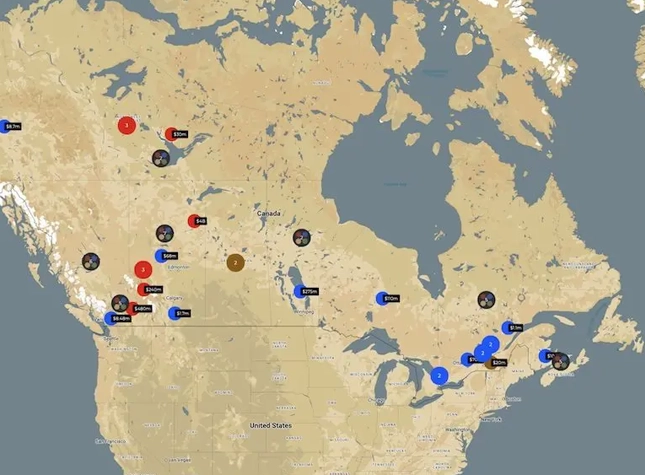
With attribution science getting ever more precise in connecting extreme weather and wildfires to climate change, a new tracker from the Canadian Climate Institute is calling for pro-active adaptation measures to limit the damage.
The new online tool provides snapshots based on news stories of the costs of the climate-fuelled disasters that are increasingly a fact of life across the country.
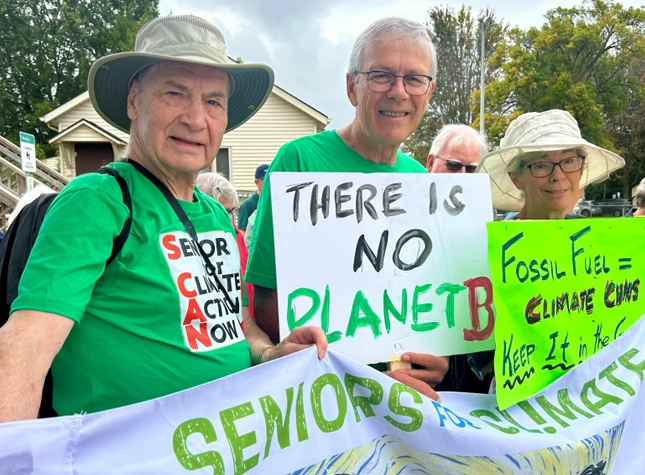
Seniors demand climate action in communities across Canada
Senior activists across Canada are rallying as part of a national call to address climate change. Read more here.
September 2024
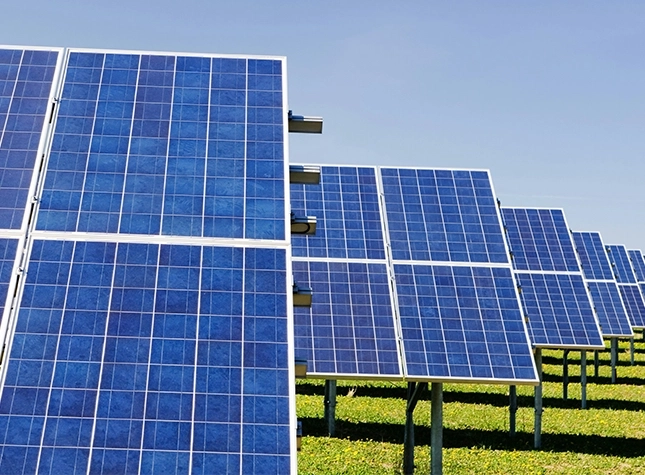
The global march to zero carbon electricity continues!
As reported by Bloomberg NEF in August, 2024, more than 40% of the world’s electricity came from zero carbon sources in 2023 (i.e. solar, wind, hydropower, and nuclear) and over 90% of capacity additions came from solar and wind. 2024 appears to be keeping up the momentum. China led the way, followed by the United States (due to the Inflation Reduction Act). Read more here.
Note that Canada’s electricity is already over 80% clean energy — no need to wait to switch from fossil fuels to electricity.
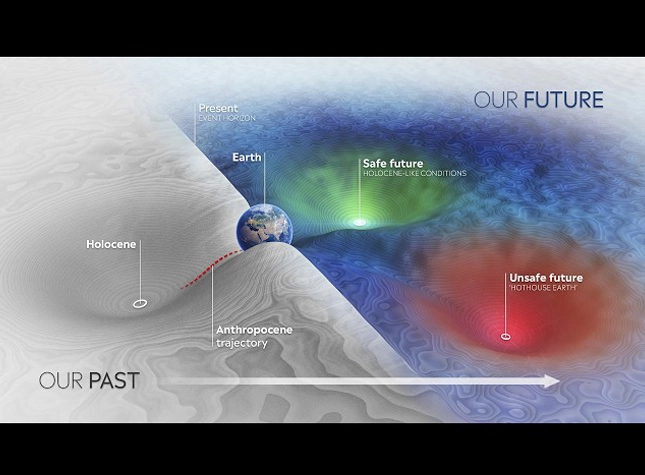
The most recent ocean data shows how incredibly urgent climate action is, as described in this video about climate change tipping points.
Johann Rockstrom, joint director of the Potsdam Institute for Climate Impact Research in Germany, shares updates on ocean warming from 2023 and 2024 that remind us why it is so critical to act today. We are now in uncharted territory and the climate is changing faster than the models predicted with some disturbing signs that science can’t explain. You can watch it here.
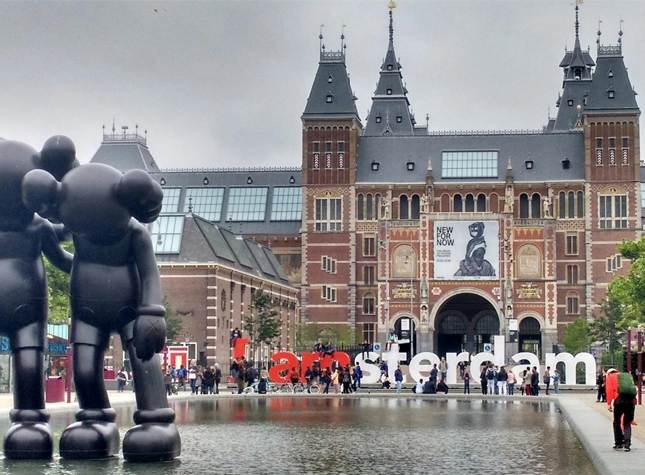
City of Amsterdam has plans to transition to a circular economy.
Amsterdam, a city with over a million people in 2024 (Metro area only), has an implementation plan to transition to a circular economy by 2050, with near term targets that include halving the use of new raw materials by 2030. The plan includes strategic pillars around food and organic waste, consumer goods and the built environment and uses economist Kate Raworth’s Doughnut Economics model, consistent with economic growth that also ensures the wellbeing of people and planet. Read more about Amsterdam’s plans here.

Lego will transition to more expensive renewable plastic but won’t pass on the increased costs to its customers.
This August, 2024 report by Reuters, shares Lego’s plans to replace the fossil fuels used to make Lego (virgin plastic is made from fossil fuels) with renewable and recycled plastic by 2032. The renewable plastic will cost the company 70% more to produce but they do not intend to pass on this cost to consumers. In the first half of 2024, they used 30% renewable plastic and they will increase this to more than 50% by 2026. Yeah Lego!

Young climate activists in South Korea take government to court to drive action on climate change.
South Korea’s constitutional court ruled in favour of about 200 plaintiffs, including children and some infants, and concluded that the existing climate legislation does not protect basic human rights and lacks targets to shield future generations. South Korea has near term targets but lacks an adequate longer term climate action plan. Elsewhere in Asia, similar lawsuits have been filed in Taiwan and Japan. Earlier this year, a Europe’s top human rights court ruled that the Swiss government failed to do enough to combat climate change, thereby violating the human rights of its citizens.

On a more personal note… want to learn more about how and why to have conversations about climate change?
The David Suzuki Foundation has published some useful resources about the importance of talking about climate change and how to have climate conversations. Among this set of helpful resources is a chatbot you can engage where you can even learn how to have potentially difficult conversations with climate change skeptics. Check out these helpful resources here!